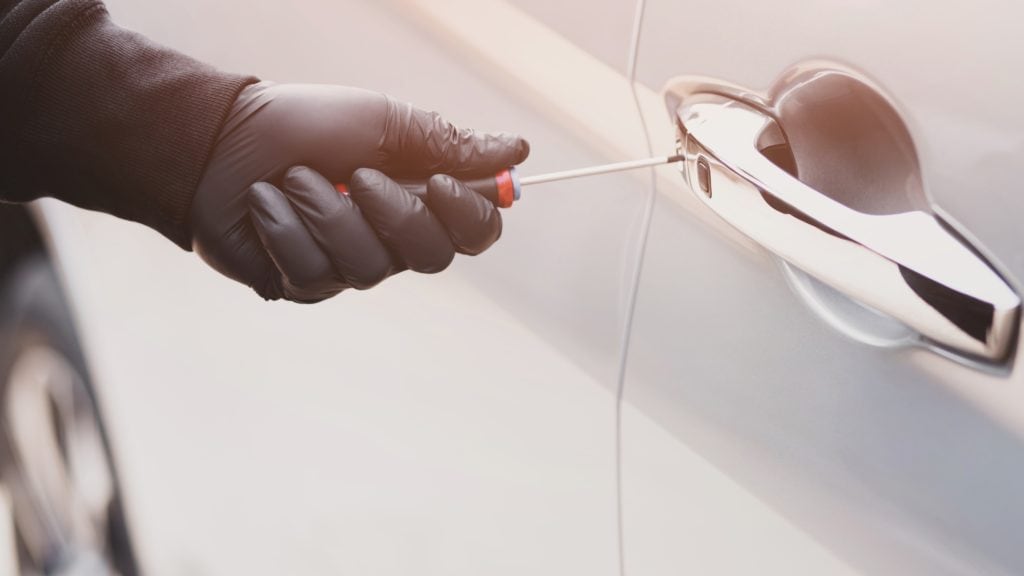
Remote Vehicle Immobilization
In the case of hire equipment, hire periods may be charged in hours, or aligned to days/weeks.
Remote Vehicle Immobilization Read More »


In the case of hire equipment, hire periods may be charged in hours, or aligned to days/weeks.
Remote Vehicle Immobilization Read More »

Recovery mode uses Jostle Tracking to start and stop trips, using the device’s accelerometer to detect movement.

Running the accelerometer in a low power state is far less energy-intensive than constantly running a GPS module.
Movement-Based Tracking Read More »

When setting up for maximum range, the transmission uses in the order of 130 mA, for 1 or 2 seconds.
LoRaWAN® Introduction Read More »
A key feature critical to tracking is the ability to effectively detect the start and endpoints of a trip, while still conserving valuable battery life.
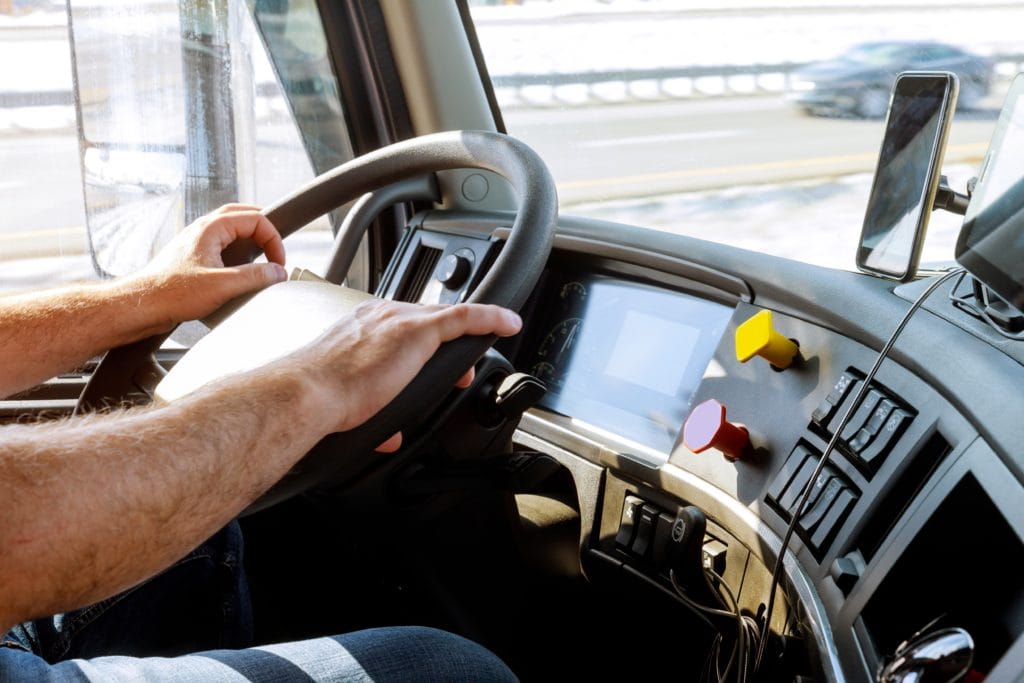
Our GPS devices for IVMS use high-quality GPS receivers with low noise amplifiers (LNAs) to boost the signal.
In Vehicle Monitoring Systems Read More »

Our 4G device range supports either LTE-M or NB-IoT connectivity, but not both concurrently – Learn more about LTE-M vs NB-IoT here.

The Wiegand Interface is a wiring standard found on card readers and access control systems. It has become somewhat of a de facto standard for such systems.
Driver Identification Read More »
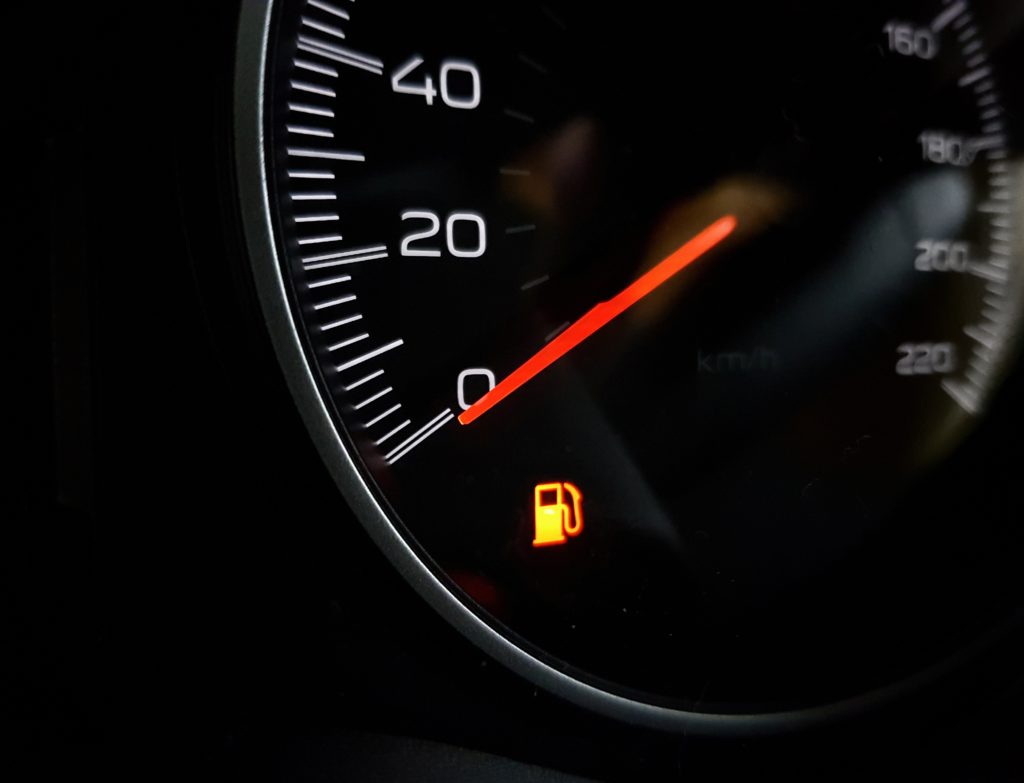
Driver behavior monitoring is an important safety and cost-saving measure. Our devices allow comprehensive driver behaviour monitoring solutions. With multiple flexible options in order to collect and review data gathered.
Driver Behavior Monitoring Read More »
Our Yabby and Oyster 2 devices feature Jostle Mode Tracking – where accelerometer activity is used to detect trips/movement.


